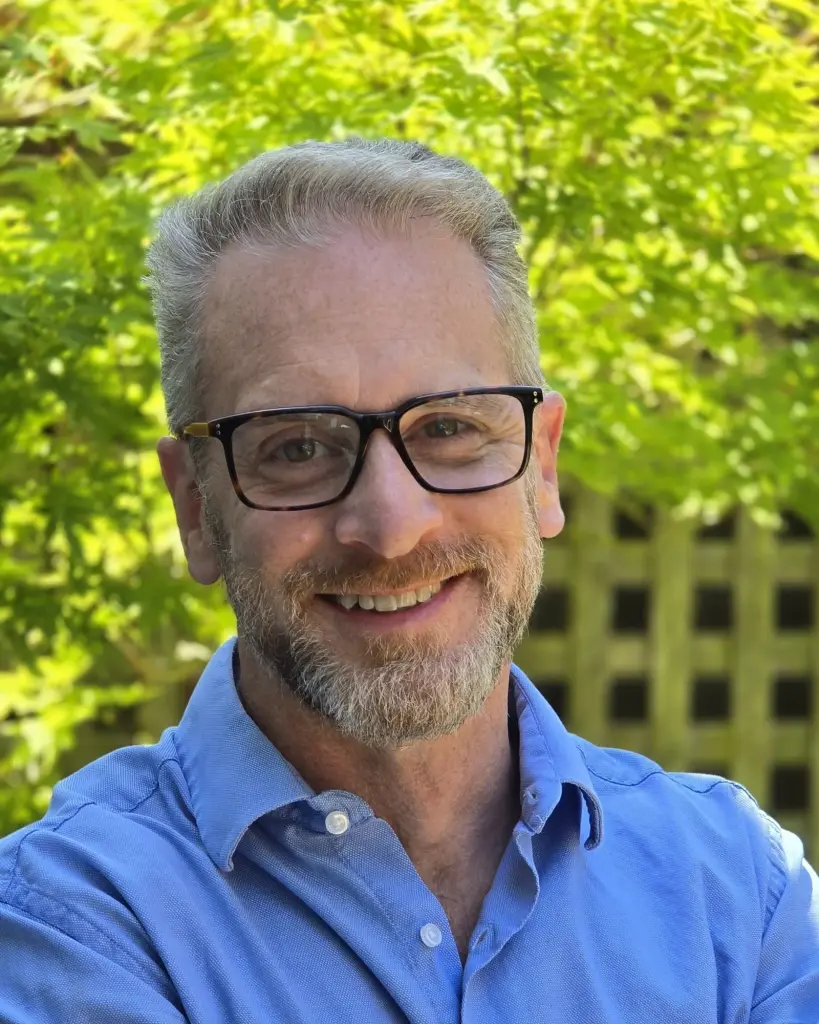
Dr. David Lepp is a board-certified Doctor of Chiropractic with more than 20 years of hands-on clinical experience helping patients reduce pain, restore mobility, improve physical function, and return to the activities they enjoy.
His approach combines chiropractic care, manual therapy, movement assessment, rehabilitation, and exercise-based strategies. He looks beyond the location of pain to understand how the spine, joints, muscles, nervous system, and movement patterns work together to create or perpetuate dysfunction.
Hands-On Care & Movement Restoration
Dr. Lepp has extensive experience working directly with patients dealing with acute injuries, chronic pain, mobility limitations, and complex musculoskeletal problems. His care is individualized to the patient, with an emphasis on restoring normal movement and function rather than simply managing symptoms.
As a Strength & Conditioning Specialist, he also brings a strong background in biomechanics, exercise, physical conditioning, and performance. This allows him to bridge the gap between treatment and helping patients regain the strength, mobility, and confidence needed to stay active.
Additional Training in Functional Health
Alongside his clinical chiropractic experience, Dr. Lepp has completed extensive post-doctoral education in clinical neurology, nutrition, rehabilitation, cranial-dental, and functional wellness care. This additional training gives him a broader perspective when nutritional, metabolic, or nervous-system factors may be influencing a patient's ability to recover.
A Practical, Patient-Centered Approach
Over more than two decades in practice, Dr. Lepp has worked with patients ranging from active adults and athletes to individuals with persistent or complicated conditions. He believes good care starts with listening carefully, understanding how the patient moves and functions, and then applying the appropriate hands-on treatment and rehabilitation to help restore lasting function.
His philosophy is simple: treat the person, understand the movement, address the source, and help the patient get back to doing what they love.