
Meniscus Tear
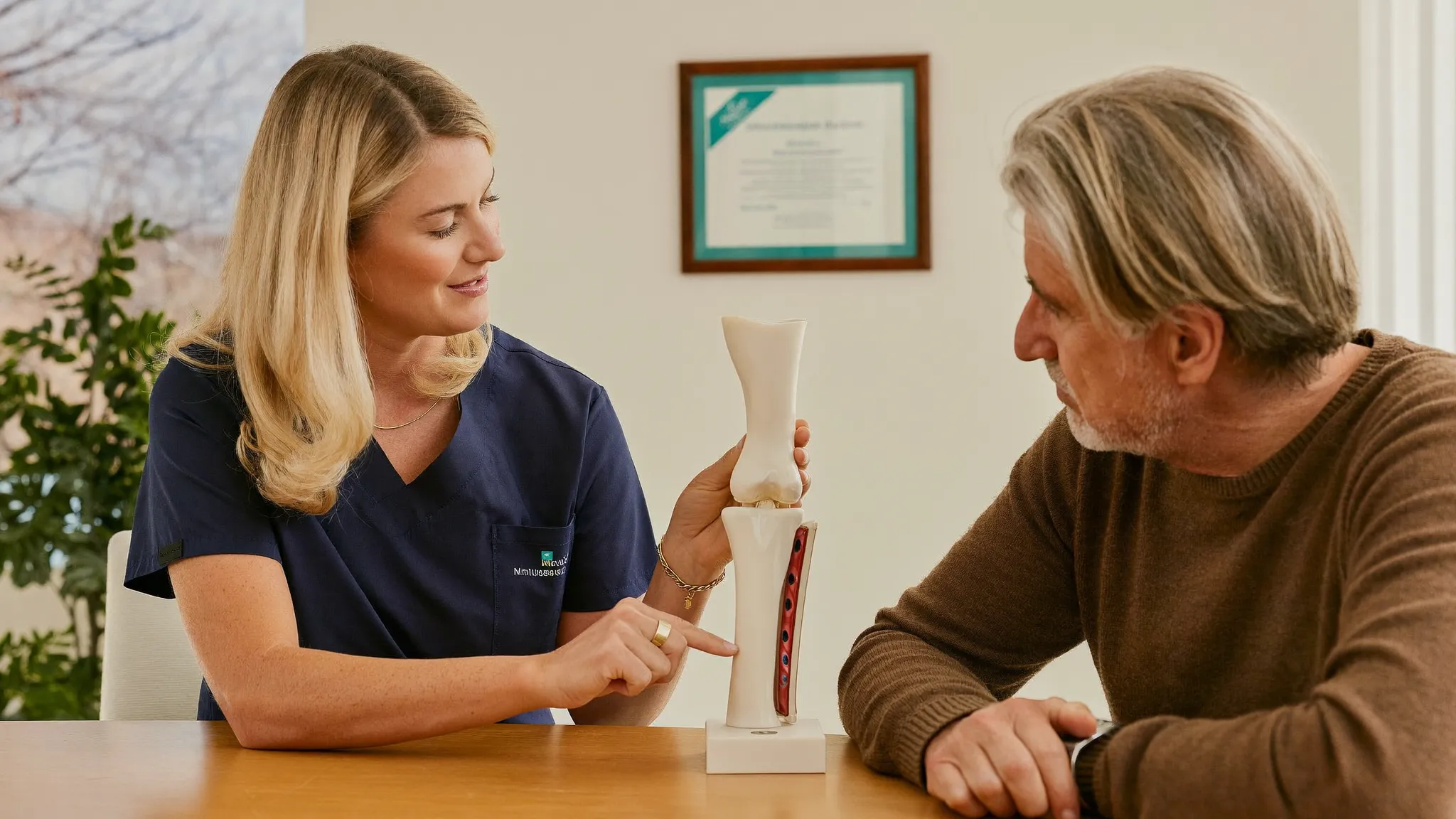
Start with the knee in front of us.
A suspected or diagnosed meniscus tear needs an individual assessment. We discuss symptoms, movement and existing imaging before considering whether conservative care is a reasonable next step.
Conservative care for knee and joint pain.
At a glance
Day one
We assess your knee and how it is being used.
Honest limits
We tell you if you need another medical opinion.
Your goals
Walking, stairs and activity guide the plan.
At a glance
Meniscus tear care, explained
01
Assess
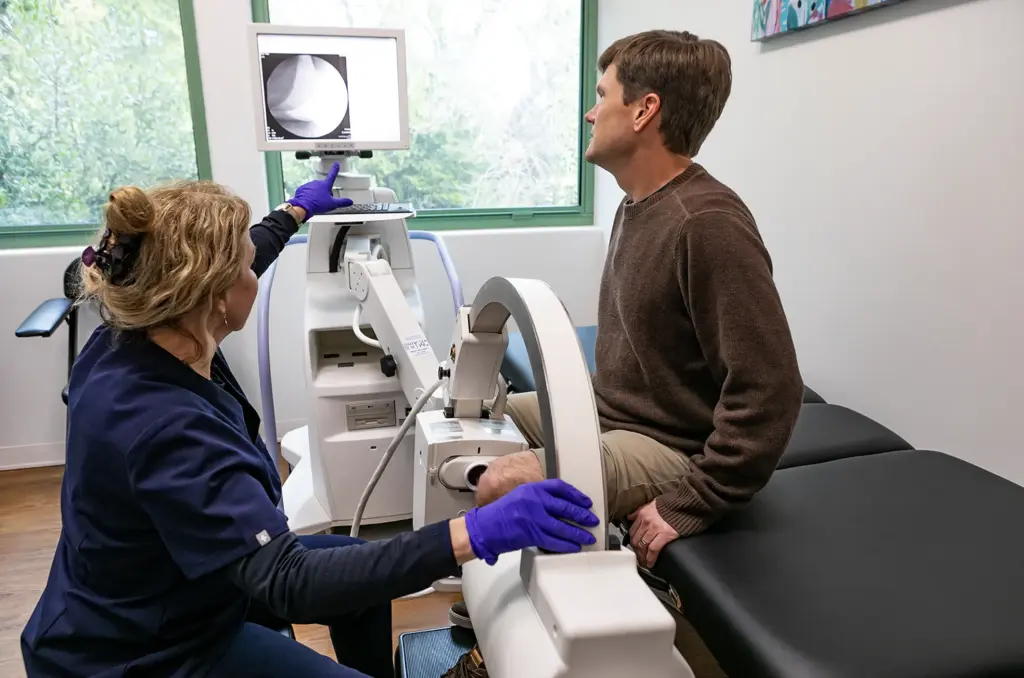
Dr. Sarah Scharf, DC, assesses the painful knee and relevant movement at the hips, feet and spine. We consider your ability to bear weight, movement tolerance and whether the presentation calls for another medical opinion.
02
Explain
We discuss your options and their honest limits. A meniscus finding on imaging is considered alongside your history, symptoms and examination; it does not by itself establish which care is suitable.
03
Review
An individual plan may combine movement guidance, hands-on care or selected therapies used within our knee programs. We choose the next step together and review it as you go.
Understand why you hurt
A Meniscus Label Is a Starting Point
The menisci are cartilage structures within the knee that help distribute load. A meniscus finding on imaging needs to be considered alongside your history, symptoms and examination; it does not by itself establish which care is suitable.
Bring existing reports if you have them and explain how the problem began. Tell the clinician about swelling, catching, giving way and activities you have stopped doing. A new injury and a long-standing knee problem may need different next steps.
This page is about choosing an appropriate clinical next step. It is not an interpretation of your scan and does not establish that a tear can be treated without surgery.
Day one: we explain
Before any treatment, we explain what your findings mean for your knee and what the sensible next step is.
The assessment
Look at the Knee and How It Is Being Used
The assessment looks at the painful knee and the movement around it, so recommendations follow your findings rather than a fixed timetable.
01
Your history
How the problem began, what swelling, catching or giving way you notice, and the activities you have stopped doing.
02
The knee and the chain
The painful knee plus relevant movement at the hips, feet and spine that may be loading it.
03
Weight-bearing and tolerance
Your ability to bear weight and tolerate movement, and whether the presentation calls for another medical opinion.
Know the limits
If Conservative Care Is Appropriate
An individual plan focuses on comfort and functional goals, not guarantees.
Movement guidance and hands-on care
Specific to your assessment rather than a generic exercise list.
Selected therapies
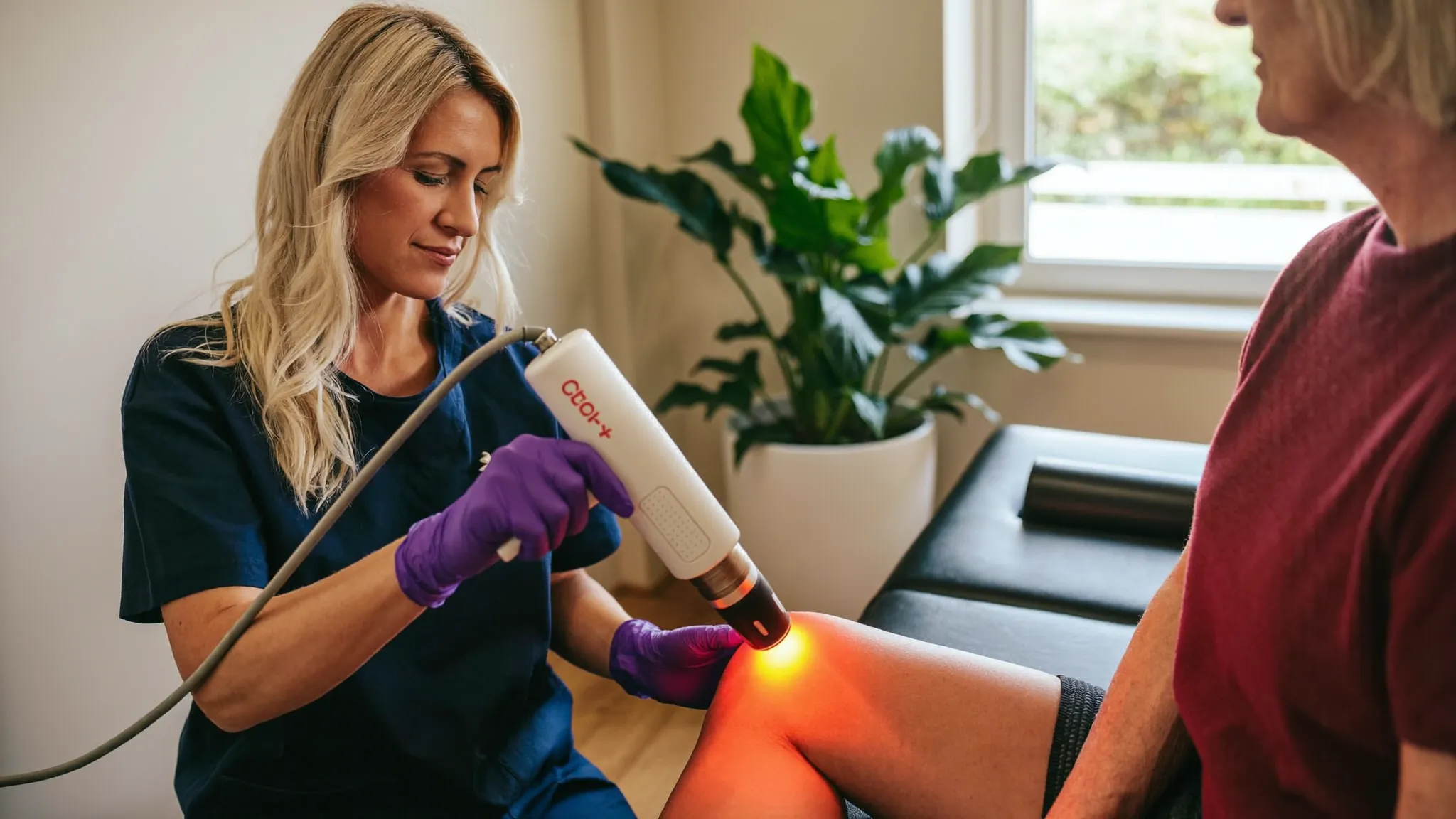
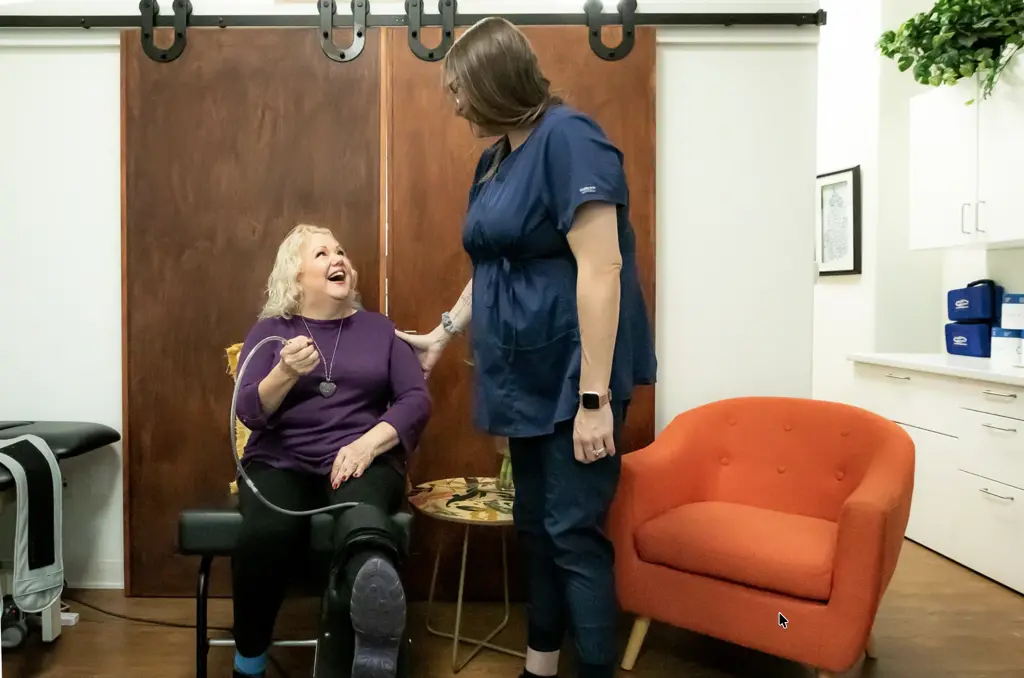
Knee-On-Trac, Class 4 laser or focused shockwave may be discussed for relevant symptoms and findings, not as methods guaranteed to close or repair a tear.
Functional goals
Walking tolerance, stair use and returning to appropriate activity guide the conversation.
Honest about limits
Some knee symptoms should not wait.
A knee that locks and cannot move normally, inability to bear weight after injury, or marked swelling or a hot joint with fever needs prompt medical assessment. Conservative care does not guarantee that a meniscus tear will heal or that surgery will be unnecessary.
If conservative care isn’t the right fit, we tell you and refer you to the appropriate specialist.
Complete approach. Complete care.
A Plan Built Around Your Findings
Our knee program brings together different approaches, but a meniscus diagnosis does not automatically call for the whole program.
01
Ask what is recommended and why
Ask which services are recommended, why they are relevant and how the plan will be reviewed.
02
Your exam guides the plan
Your examination, not an article or a fixed timetable, guides individual recommendations.
03
Home guidance that fits
Home guidance and activity adjustments are specific to your assessment.
You learn to manage it yourself: every step comes with the guidance that keeps your knee moving between visits.
Feel better. Live better.
Start With a Conversation and Assessment
Book your new-patient appointment, or call the clinic with a general question. Individual care recommendations follow an assessment.
Patient reviews
Finally explained. In their own words.
Read what patients have shared about their care.
-
I had an ongoing knee issue from an old ACL injury, and the team at Marin Joint Health provided wonderful care and effective treatment. My knee has improved significantly, and I now have much less pain. I'm so grateful for their expertise and highly recommend them to anyone dealing with similar issues.
-
I love the quality of care I’m receiving! And Dr. Scharf and her staff are wonderful! I’m so glad I signed up for this program to treat my knees, osteoarthritis and meniscus tears!
-
My experience has been transformative for me. My knee pain kept me from being active. I feel like I now have freedom to return to my life being active and healthy. The staff and patients make each visit so pleasant, there is a general feeling of positive healthy attitudes and healing shared during my visits. My only regret is not having found them sooner.
-
I had problems with my knees and it was painful to walk. I started treatment with Dr. Patrick and Gabriela, and now I walk much better and the pain is much less.
-
I have been coming to the clinic for three months. From arriving with excruciating pain in both knees I can now say that my knees are stable, mostly pain free, and I am getting stronger. My goal was to avoid surgery and stay active. Dr Scharf and her team Dr Chu and Gabriella are amazing. They are so dedicated to helping me feel better. I…
Individual results vary.
FAQ
Frequently Asked Questions
Still have questions? Call us and we’ll explain exactly how we can help.
Some knee concerns may be managed conservatively, while others need specialist assessment. Suitability depends on the history, examination and relevant imaging; this page cannot determine that for you.
No tear-repair promise is made. Selected therapies may be considered for relevant symptoms as part of an individual plan, but they do not guarantee structural healing.
A knee that is locked and cannot move normally needs prompt medical assessment, especially after an injury. Do not wait for routine conservative treatment.

Feel better. Live better.
Finally understand why you hurt—and what you can do about it.
We explain what we find, build a complete conservative plan and teach you how to stay ahead of it for life.