Treatment
Anti-Inflammatory Nutrition Guidance
What you eat can either feed inflammation or help calm it. Simple nutrition guidance gives your healing a real boost.
Anti-inflammatory nutrition guidance is practical advice on eating in a way that supports healing and reduces inflammation. It is not a rigid diet, but a set of realistic changes that complement your hands-on care. It rounds out the whole-body approach behind your plan.
We talk through your current habits and find easy, sustainable adjustments that lower inflammation and support tissue repair. The guidance is built around real life, not extremes. You get clear suggestions you can actually keep up with.
Chronic inflammation slows healing and keeps joints sore. Eating in a way that calms it gives your body a better environment to recover in. Dr. Sarah Scharf, DC, includes nutrition because what happens at the table affects what happens in the joint.
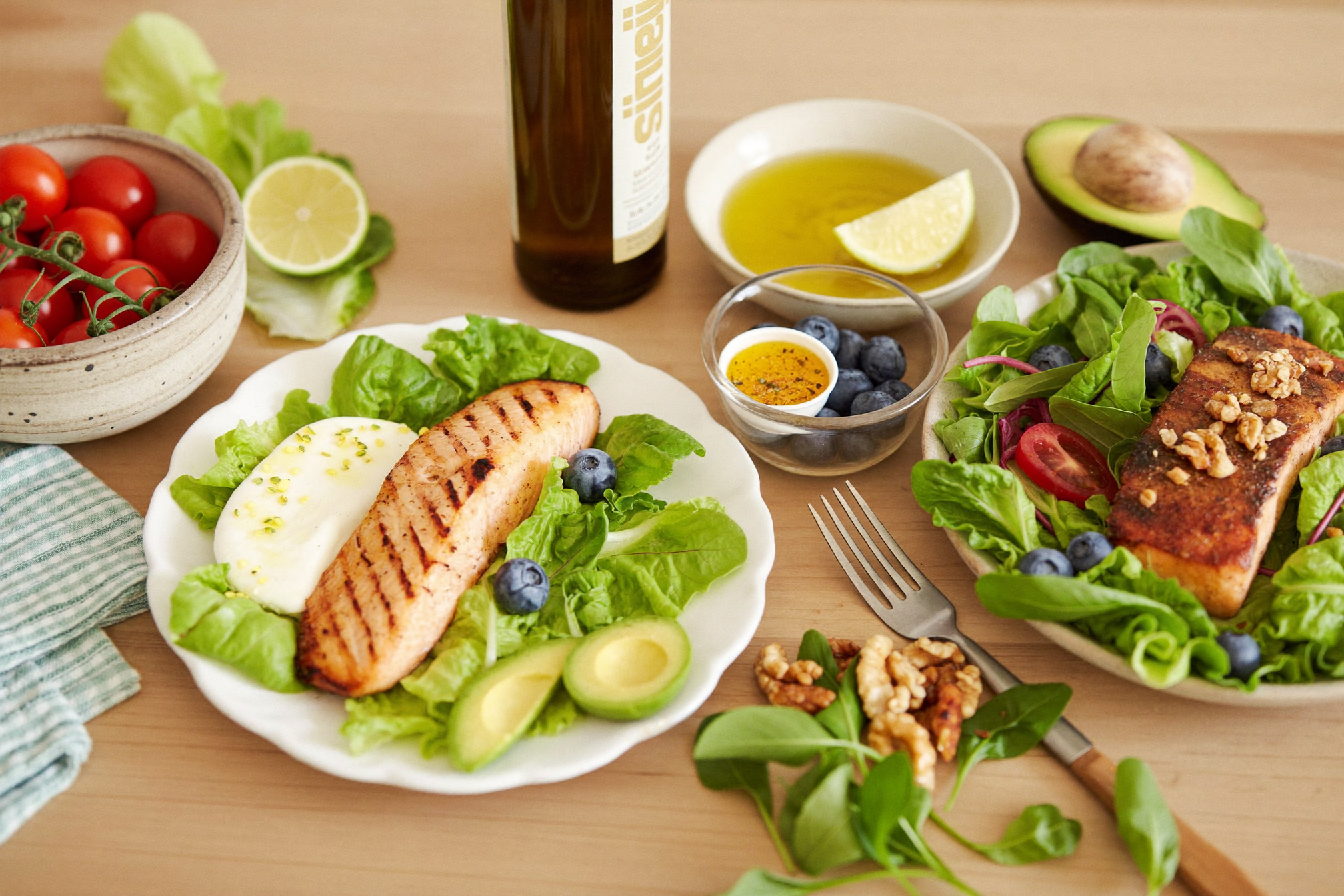
Your joints heal in the environment your food creates
When a joint is healing, the work happens locally — in cartilage, tendon, and the soft tissue around the joint. But the conditions that work happens under are set globally, by the level of inflammation circulating in your bloodstream. Think of it as the weather your joints heal in: the same treatment produces different results in a calm system than in a stormy one.
Food is the input you provide that weather three times a day. A diet heavy in certain processed oils tilts your balance of omega-6 and omega-3 fats — the raw materials your body uses to build both its inflammatory and its anti-inflammatory messengers. Ultra-processed foods add compounds that keep the immune system mildly activated. And repeated blood-sugar spikes generate their own inflammatory chemistry while, over time, stiffening collagen — the very protein your tendons and cartilage are built from.
None of this means your diet caused your joint pain, and it doesn't take a perfect diet to help. Every meal is a small vote for the environment your joints recover in — and the votes add up. Our guidance is about shifting the majority, not achieving purity.
Three food inputs that set your inflammatory baseline
You don't need to memorize biochemistry. These are the levers that matter most, in plain language.
Omega balance
Omega-6 and omega-3 fats are building blocks for the messengers that turn inflammation up and down. Most modern diets are heavily tilted toward omega-6; nudging the ratio back — more fish, nuts, and olive oil, fewer processed seed-oil foods — nudges your baseline down with it.
Processed-food load
Ultra-processed foods tend to combine refined starch, industrial fats, and additives in ways that keep the immune system slightly switched on. Swapping even a few of them for whole-food versions lowers that background hum.
Blood-sugar swings
Big spikes and crashes generate inflammatory byproducts and, over years, stiffen collagen through a process called glycation. Steadier meals — protein, fiber, fewer refined carbohydrates — mean steadier chemistry inside your joints.
What the guidance actually looks like
This is practical coaching woven into your visits — not a separate diet program with rules to fail at.
We start from your real habits
You walk us through how you actually eat — weekday dinners, travel, dinners out — and we find the highest-impact swaps that don't require a personality change.
A few changes, done consistently
Experience favors a handful of sustainable shifts over a sweeping overhaul. You leave with specific, doable adjustments rather than a forbidden-foods list.
Adjusted as your care progresses
Because nutrition sits inside your treatment plan, we revisit it at checkpoints — emphasizing tissue-repair support during active care and long-term joint health as you move toward maintenance.
Why nutrition belongs in a joint clinic
Food doesn't replace hands-on care — it changes how well hands-on care can work.
Repair therapies need raw materials
Laser and shockwave stimulate cells to rebuild tissue; protein, micronutrients, and healthy fats are what those cells rebuild with. Good inputs support the repair the therapies set in motion.
A lower baseline helps results hold
When systemic inflammation settles, many patients notice their gains seem to last longer between visits — there's less background irritation working against each session.
It pairs naturally with weight goals
For patients also working toward a healthier weight, anti-inflammatory eating and sustainable weight loss overlap almost completely, so one set of habits serves both.

Make your meals part of the treatment plan
Bring your real eating life — no judgment, no fads — and leave with a short list of changes matched to your joint care and your goals.
Add nutrition to your care planFAQFrequently Asked Questions
It is for patients who want to support their recovery and joint health through everyday food choices.
Guidance is straightforward and judgment-free. You leave with practical steps, not a complicated plan.
Small changes can start helping soon, and they work best as lasting habits rather than short-term fixes.
This supports your care, it does not replace it. The two work hand in hand.
There is no downtime. Many patients feel better overall as inflammation settles down.
 Marin Joint Health
Lasting relief from knee and joint pain without surgery
If knee or joint pain is holding you back, Dr. Sarah Scharf, DC, treats the root cause, not just the symptoms, without surgery or drugs.